
Returning to India after living abroad can feel like going “home”. But for many NRIs, the reality brings unexpected challenges … from infrastructure problems to emotional and social adjustment. The following stories, from recent media reports and social forums, show that these experiences are common.
Moving back to India 🇮🇳 has brought so many issues in my life, that I never had to worry about in Ireland 🇮🇪
— Akash Tiwari (@akashtiwari1007) December 6, 2025
1. Electricity: I am in Kanpur, and on an average there’s a power cut for 4-5 hours everyday. We don’t have electricity even at the time of writing this. In Dublin, over…
Real Stories from Returners
Everyday inconveniences: power cuts, pollution, traffic
A widely shared recent account comes from a former NRI who moved from Dublin to Kanpur. He says that since his return, he faces 4–5 hours of power outage every day. In Ireland, he had experienced just a single 15-minute outage in over three years, and that too with a month’s advance notice.
He also described poor air quality and chaotic traffic: “mad traffic and honking,” which he called “man-made … issues.”
Such complaints are not unique. Another returning expat, after spending a decade abroad and returning to cities like Delhi, Mumbai and Hyderabad, described deteriorating mental and physical well-being — citing poor civic standards, polluted air causing chest problems, potholes, broken roads and constant construction.
Even service-related problems (like delayed internet installation, poor workmanship in new houses and unreliable utilities) come up repeatedly among returnees.
Emotional and social readjustment: culture shock, mindset gap
Some NRIs returning to India struggle emotionally with the sudden shift. A man who lived in Canada for six years recently returned and said while being near family is a comfort, “almost everything else feels … off”. He mentioned missing his social circle, difficulty finding work matching his profile, and feeling unmotivated — calling the readjustment exhausting.
Others describe a deeper struggle with identity and belonging. According to one write-up about returning NRIs, such people can feel caught “between two worlds” — not fully at home in their adopted foreign country, and yet growing detached when home.
A mixed bag: some find satisfaction and renewed purpose
Not all return-stories are negative. Some returning professionals say that being back in India helped them reconnect with family, enjoy social life, and rediscover a sense of belonging. In many cases, the decision to return is driven not by infrastructure but by emotional priorities — taking care of parents, cultural ties, or a desire for a different lifestyle balance.
So the return experience often becomes a trade-off: convenience and order abroad vs. relationships, roots, and personal values in India.
What These Patterns Tell Us ... A Broader Perspective
From these multiple stories and reports, some recurring patterns emerge when it comes to NRI Return to India:
- Infrastructure and civic services in many Indian cities still lag behind what many NRIs got used to abroad, especially regarding electricity, roads, pollution control, and basic home services.
- Emotional and social expectations often clash with reality: things like community, social norms, habits, pace of life, civic behaviour, and even small everyday experiences may feel jarring after years abroad.
- Not all returns are the same: much depends on the city, neighbourhood, social network, personal mindset, and readiness to adapt. For some, the return brings satisfaction and a renewed sense of identity and family; for others it brings frustration, regret, or longing for the foreign past.
- Often, “returning home” isn’t a single event — it’s a re-learning process. Many people need time, patience, and a shift in perspective to readjust.
How NRIs Can Prepare Better Before Deciding to Return
Given these real-world reports and wide variation in experiences, if you are a NRI planning your own return to India, these steps can help set realistic expectations and reduce shock:
1. Research the city and neighbourhood carefully
Don’t just look at job or family convenience. Check local infrastructure: power reliability, pollution levels, traffic conditions, civic amenities, quality of services (water, internet, repairs) — what life is actually like on a daily basis.
2. Be ready for lifestyle trade-offs
Life abroad may have given you reliable services, punctuality, and convenience. Returning may mean occasional power cuts, slower bureaucracy, or unexpected delays. Accepting that “things won’t always run like clockwork” can reduce frustration.
3. Manage expectations and mindset
If you expect foreign-style infrastructure and civic discipline overnight, you might be disappointed. Instead, treat return as a re-adaptation period — with patience and flexibility.
4. Build a support network before you return
Friends, family, trusted contacts — having a social support system helps. Emotional comfort, community, guidance on local realities, and shared experiences from others who’ve already made the move can help you adjust.
5. Evaluate what matters most for you
For some, family, roots, emotional belonging and long-term planning outweigh day-to-day inconveniences. For others, lifestyle comfort and predictability do. Be clear about what “quality of life” means to you.
6. Consider a trial period or gradual return
If possible, return for a shorter stint first (few months), or opt for hybrid living (e.g. remote work abroad + stay in India) — to test if you can adjust without committing permanently.
Why Coverage of These Stories Matters
Writing about NRI Return to India isn’t just about sharing complaints or idealism. It helps create realistic expectations for people thinking of returning. It shows that while India offers emotional rewards (family, roots, belonging), it also requires patience, adaptability, and acceptance of certain trade-offs.
By presenting real stories from multiple sources (both good and difficult) platforms like NRI Money Plus can help prospective returnees make informed decisions that balance emotion, practicality, and long-term goals.
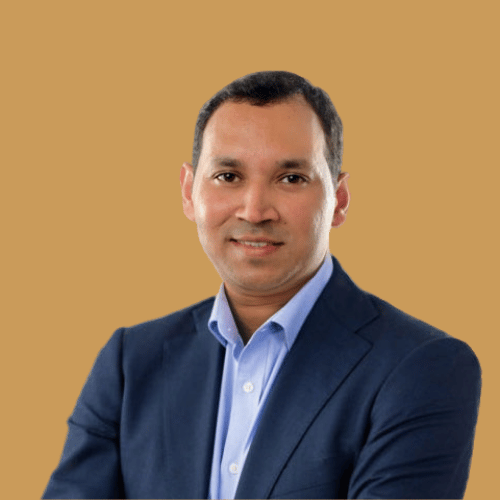
Donald G. is the Principal Consultant at NRI Money+. He specialises in creating personalised financial plans for NRIs (Non-Resident Indians) and HNI (High Net-worth Individuals).